
waxell
Agentic systems are unsafe without control
Agentic systems grow powerful faster than controls are put in place.
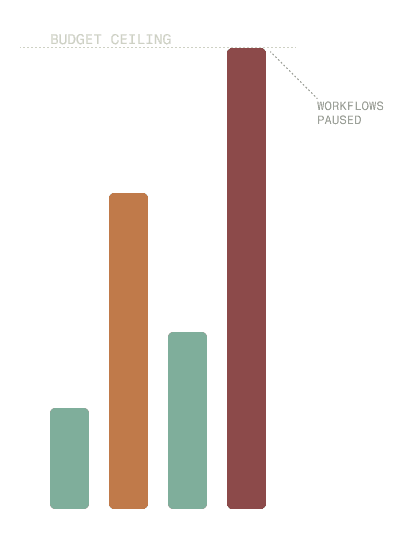
Costs accumulate. Permissions blur. When something goes wrong, it’s hard to explain what happened or prove it won’t happen again.
Waxell introduces control as a first-class layer. Budgets, policies, execution records, and telemetry are enforced centrally, making agent behavior predictable and safe to run in production.
Below is a concise overview of those controls.
See it in practice: Book a demo to see how Waxell brings order, visibility, and predictability to a live agent runtime.
POLICIES
Defining what agents are allowed to do
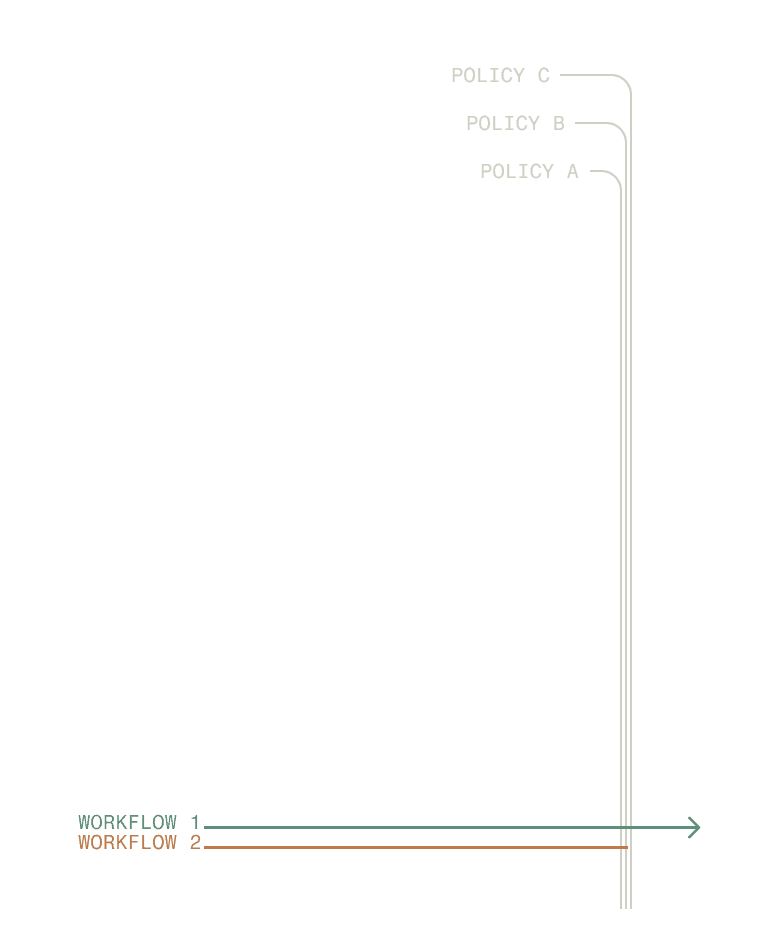
As agent systems grow, permissions are often scattered across prompts, tools, and application logic. This makes behavior difficult to reason about and risky to change.
Policies define what actions are permitted, when approvals are required, and how exceptions are handled. They govern behavior at the system level, not inside individual workflows.
This keeps governance consistent even as agent logic evolves.
TELEMETRY
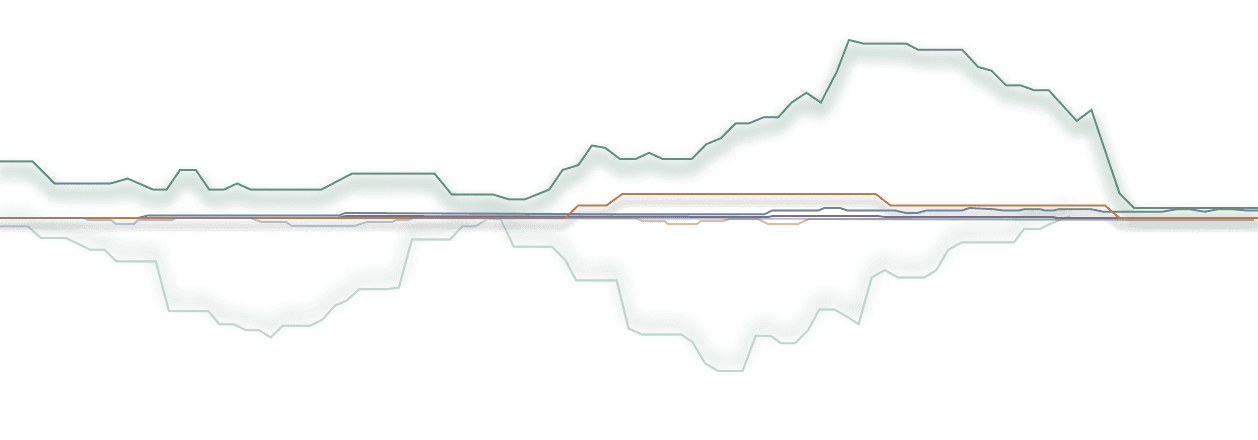
Seeing issues before failures occur
Many systems only surface insight once something breaks. By then, damage is already done.
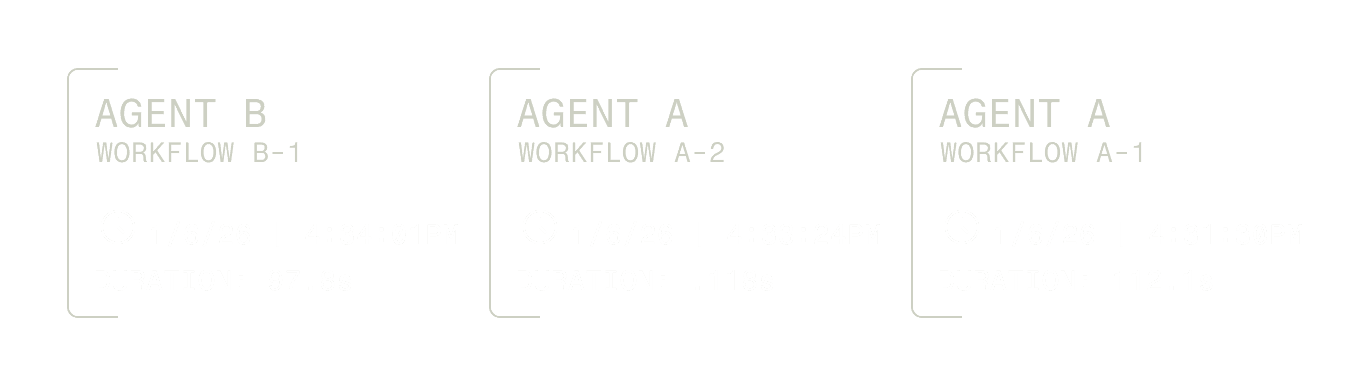
Telemetry provides continuous visibility into agent behavior as systems run. It surfaces patterns, drift, and anomalies without interfering with execution.
Operational insight becomes ongoing rather than reactive.
TESTING
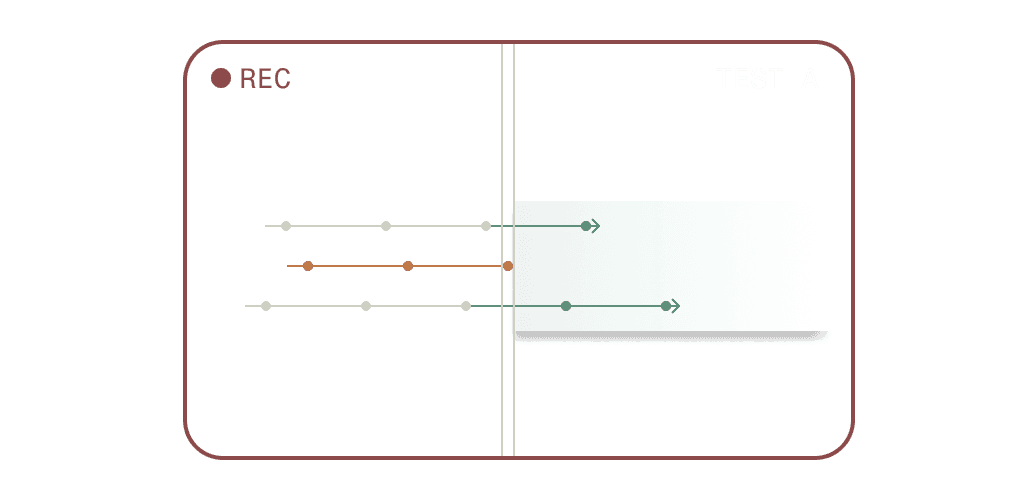
Agent behavior can change in subtle ways as prompts, tools, or policies evolve. Without proper testing, those changes often reach production unexamined.
Testing allows teams to evaluate agent behavior and governance changes in controlled environments before deployment.
This reduces the risk of introducing unvalidated behavior into live systems.
registry
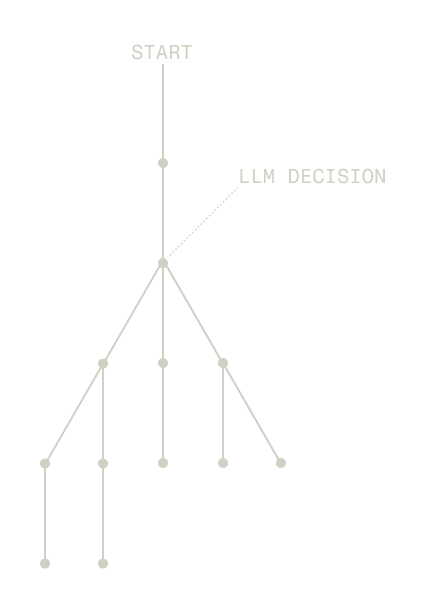
In many agent systems, the actual execution structure is inferred rather than defined. This makes it difficult to know what agents, workflows, and tools exist at any given time.
The Registry defines what is allowed to exist and execute in the system. It makes execution structure explicit.
Teams can verify that production behavior matches intended design.
AGENT COMPOSer
Introducing new agents safely
Introducing new agents often requires rewriting systems or bypassing existing controls.
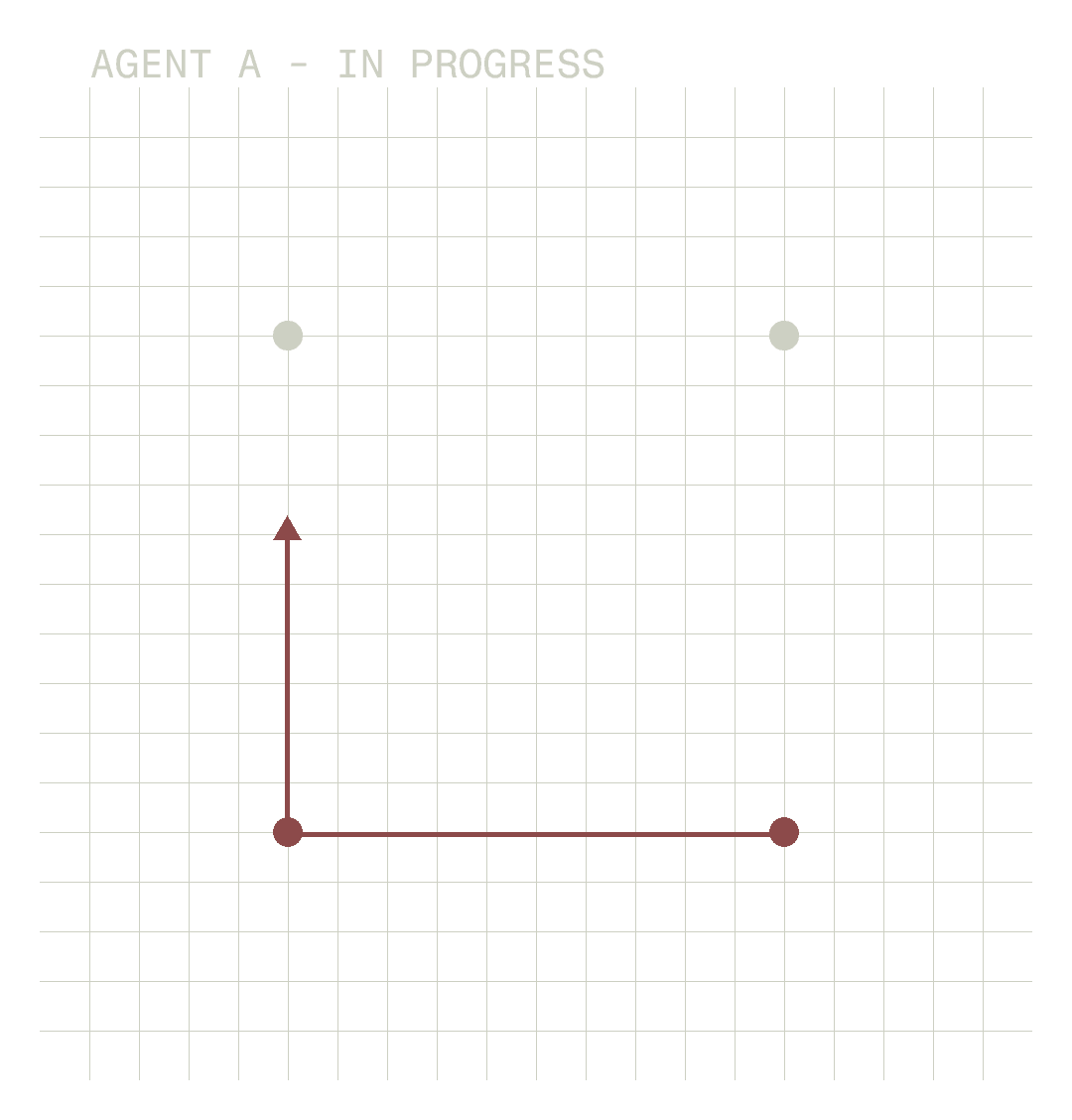
Agent Composer turns high-level intent or existing agent logic into governed, deployable agents inside Waxell.
This allows teams to migrate or introduce agents without sacrificing oversight.
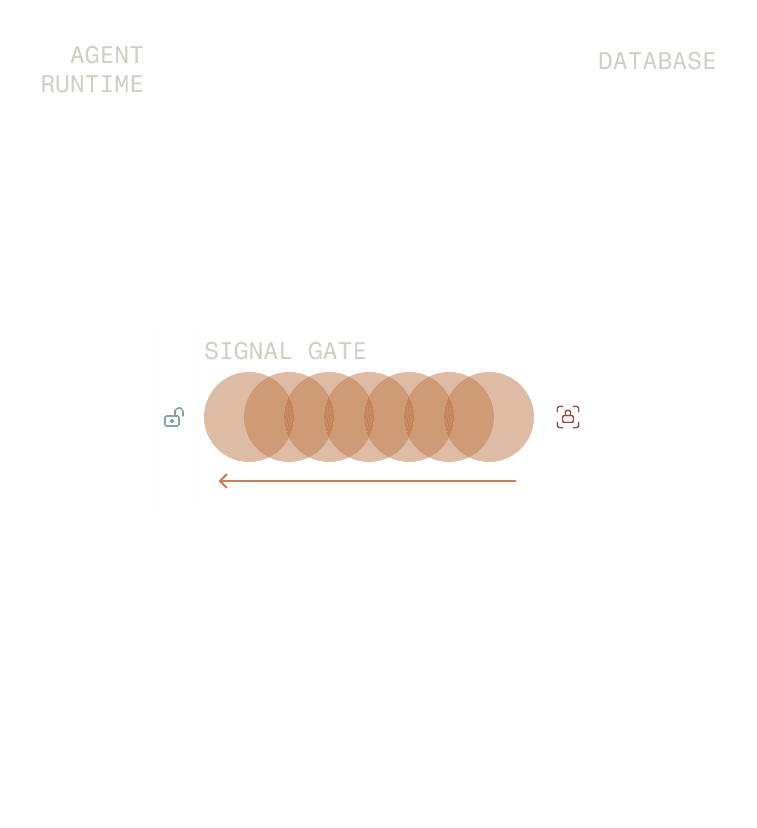
SIGNAL & DOMAIN
Making data flow explicit between systems
Autonomous workflows often interact with internal systems in ways that are difficult to track or control.
Signals and Domains define the inbound and outbound interfaces between production systems and the Waxell runtime.
They make data flow and action execution explicit while preserving traceability and isolation.
COMMAND LINE INTERFACE
Operating agent systems from a single interface
Operating agent systems often requires switching between dashboards, logs, and custom scripts.
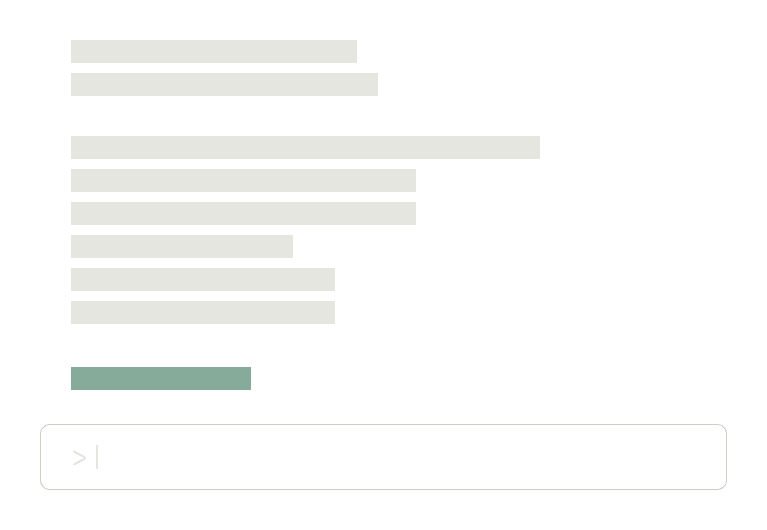
The Waxell CLI provides a unified interface for observing, testing, and operating agent systems directly against the runtime.
Developers can act on live systems without bypassing governance.
Built for production
Each capability addresses a different aspect of operability. None is sufficient on its own.
Budgets and policies define boundaries.
Executions and telemetry provide visibility.
Testing reduces risk as systems evolve.
Together, they allow agentic systems to be treated as production infrastructure rather than experimental tooling.
